Almost two years have passed since the terrible tragedy in the Nemyshlianskyi district of Kharkiv, when an enemy drone struck an oil depot. Tonnes of fuel poured into the residential area, claiming people’s lives and literally soaking the land and water with toxic oil.
For many, this is already news from the past, but for local residents it is a daily reality. The ground still smells of fuel, and every step in their own yard, or any attempt to grow vegetables, is a constant reminder of the disaster.
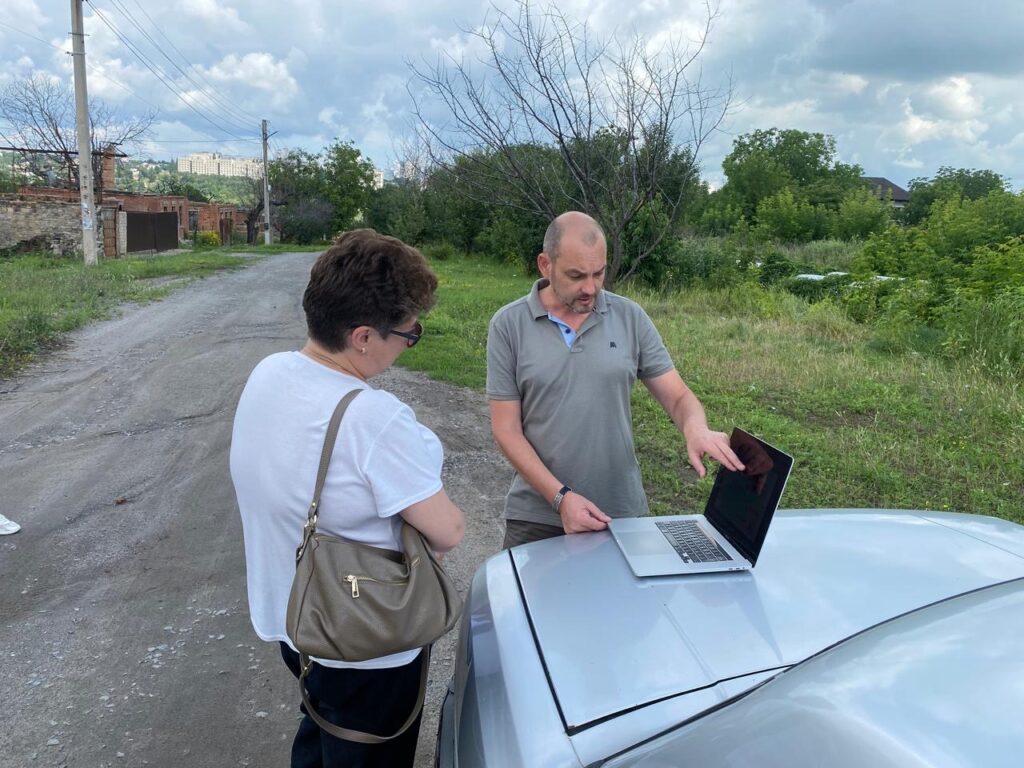
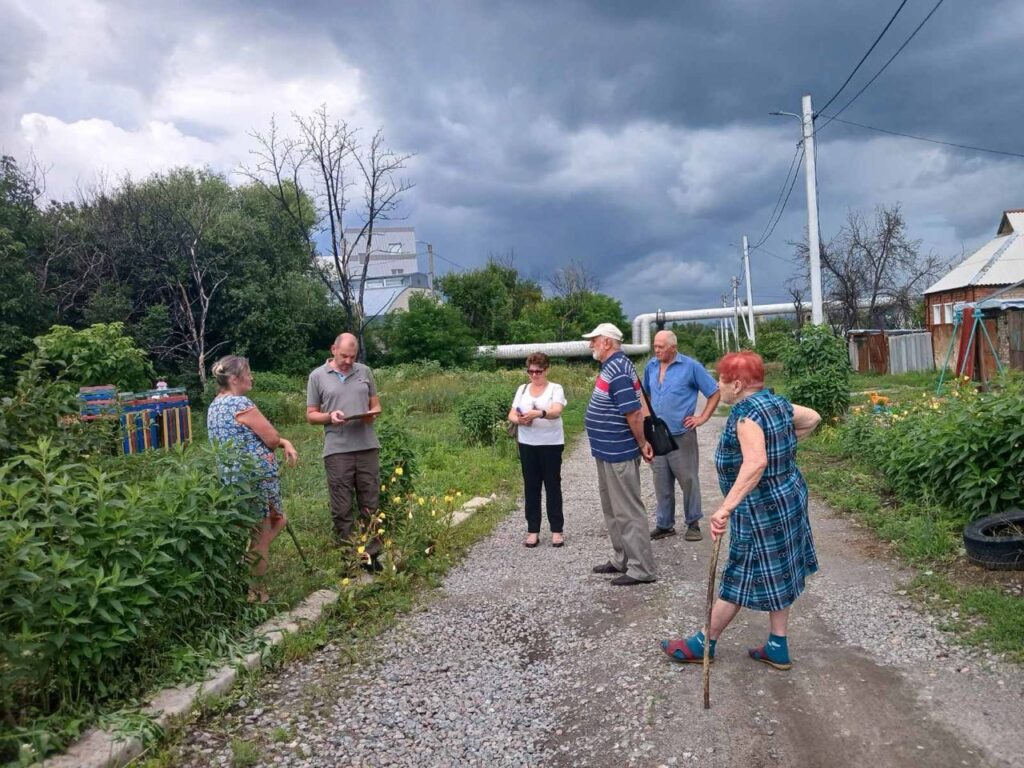
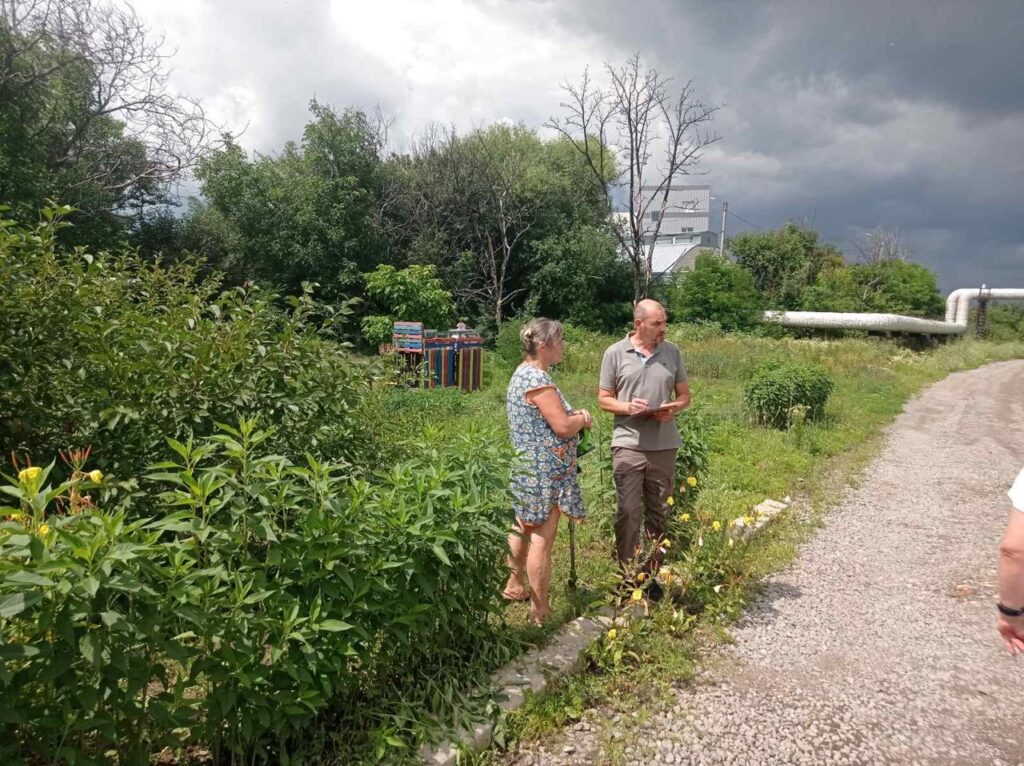
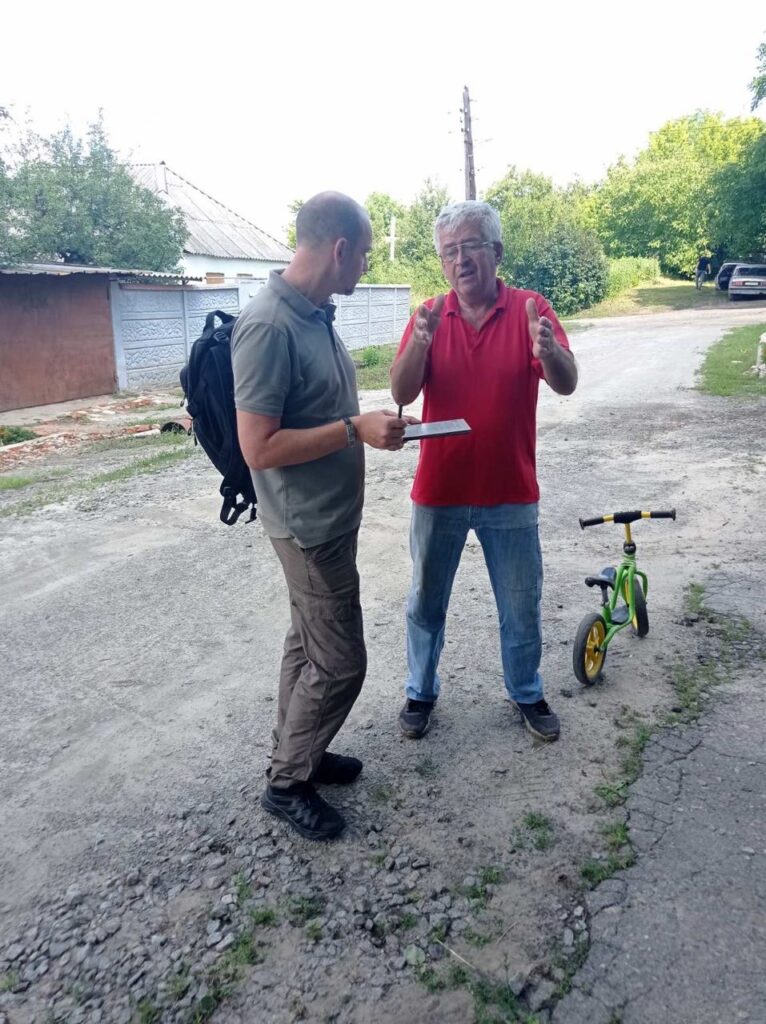
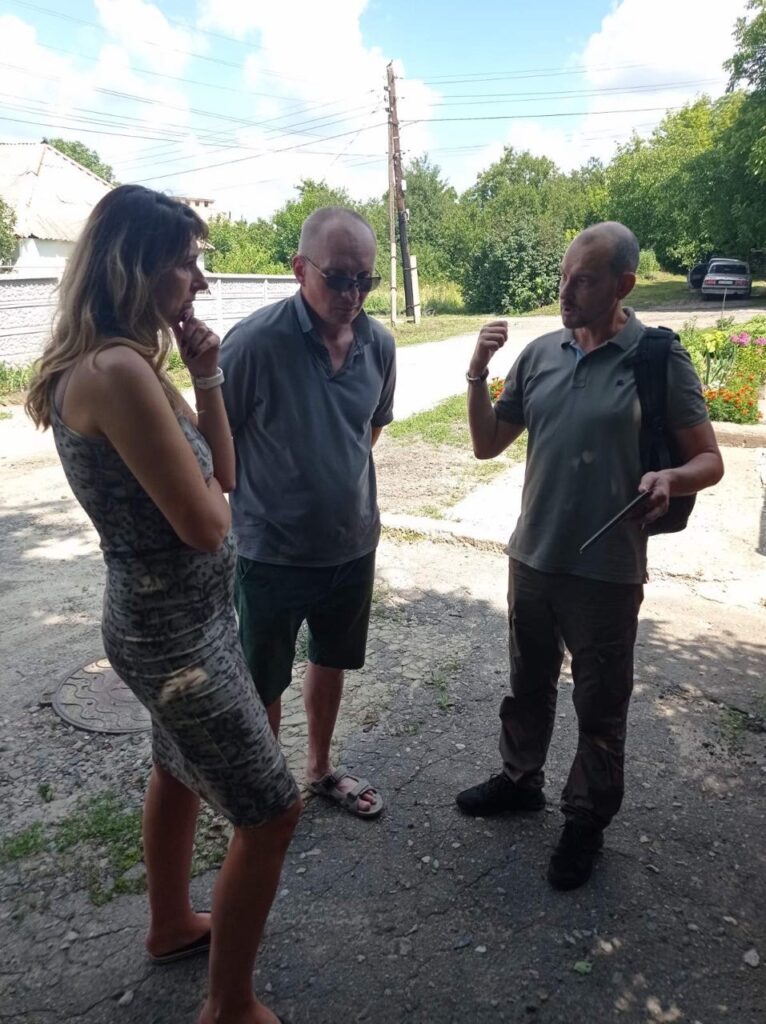
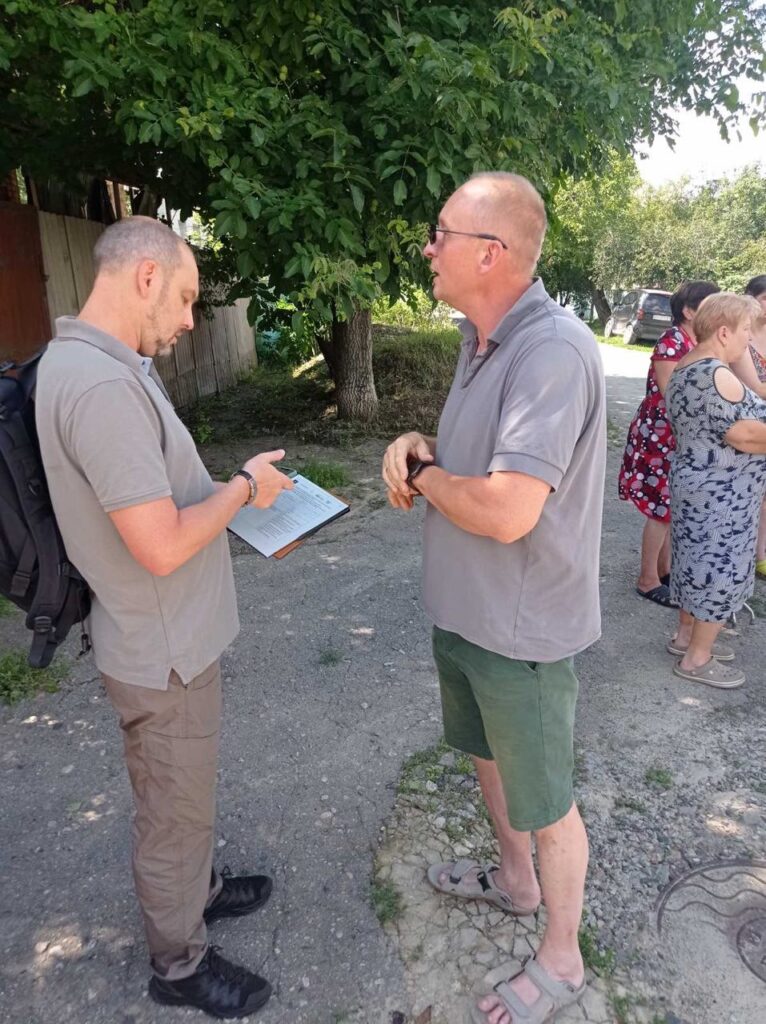
On 14–15 July, our team took part in a field visit to the Nemyshlianskyi district. Together with representatives of the Nemyshlianskyi District Administration of Kharkiv City Council and the municipal enterprise “Complex for the Operation of Drainage and Stormwater Facilities,” we spoke with residents of ten affected households.
Our goal was simple but critically important: to listen to people, understand their everyday needs, and find a solution that would finally bring safety back to their homes.
During the survey, people spoke candidly about how the disaster changed their everyday lives. They are forced to deal with the consequences of contamination every day:
- Water: doubts about the safety of wells and groundwater sources remain their main fear.
- Soil: growing vegetables has become a risk zone, as the soil still contains hazardous petroleum products.
- Psychological pressure: people feel left alone with an invisible enemy — toxins in their own yard.
Time does not heal the land automatically. People’s pain has not faded, and they urgently need real, effective steps to restore their properties.
We asked residents to evaluate three possible scenarios for solving the problem. The results proved highly telling:
Scenario 1: Traditional method (excavation). Complete replacement of the contaminated soil — removing the top layer of earth, hauling it away and backfilling with new soil. 0 out of 10 households agreed to this option. People are exhausted by destruction and are not willing to turn their yards into large-scale construction sites with heavy machinery.
Scenario 2: In situ treatment of petroleum products without soil excavation. Installing a treatment system directly in the soil on private property for a period of 1–2 years. This method works “invisibly” underground, gradually breaking down petroleum products and cleaning groundwater without disturbing the landscape. 9 out of 10 households chose this option.
Scenario 3: Containment (do nothing). Acknowledge the presence of contamination but forgo any intervention. 1 out of 10 respondents chose this option out of disillusionment or fatigue with change.
This visit once again proved that the petroleum product spill in the Nemyshlianskyi district of Kharkiv is not just numbers in reports. It is an open wound on the map of the city and in the hearts of its residents. People hold onto a great hope that their yards will become safe again, and that the remediation will be both effective and considerate of households. There is much work ahead, but residents’ choice clearly points to the right path. We move forward.
The project is implemented as part of “ResilientRoots – Strengthening Grassroots Environmental Leadership in War-Affected Ukraine,” with support from Austausch e.V., GreenRoots Hub and Brot für die Welt.